A practice-led research platform for offworld imaginaries.

Learning To Moonwalk

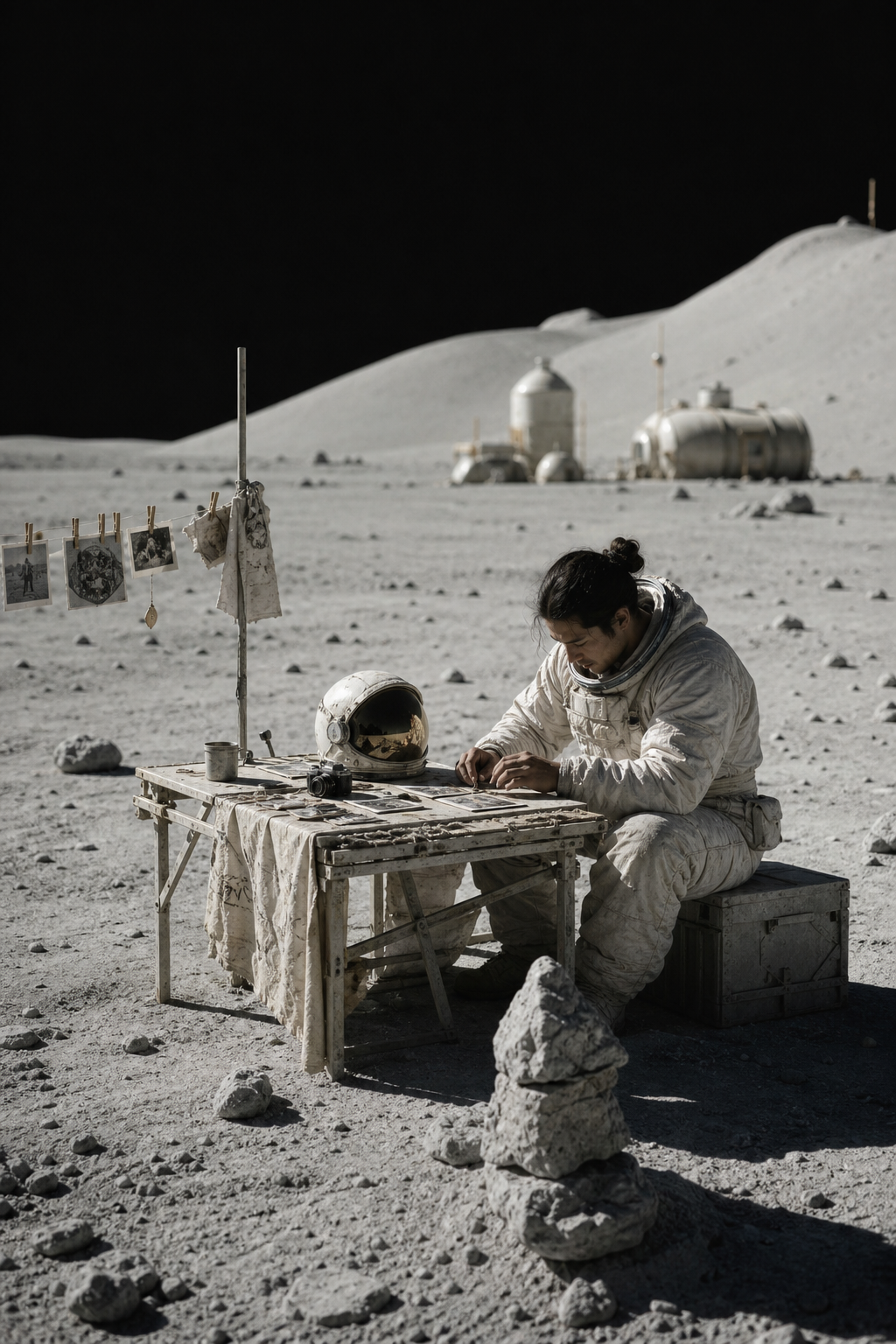
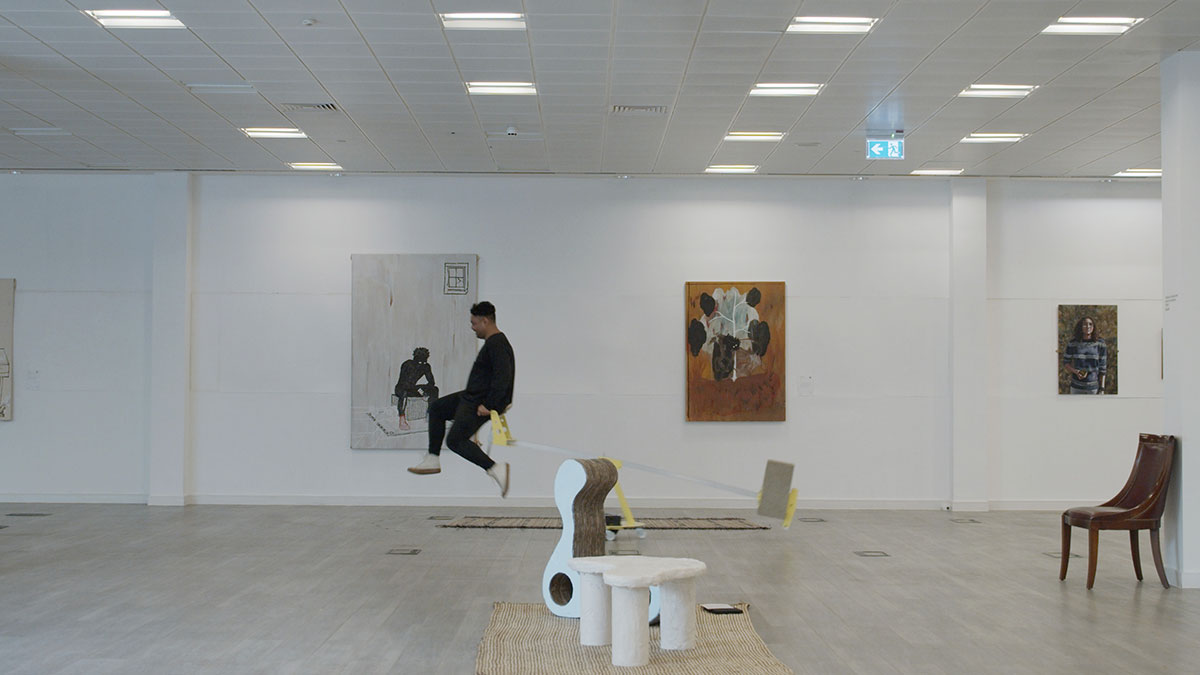
A video study on the Walker as an epistemic artefact: a device for rehearsing lunar movement, making unfamiliar ground perceptible, and treating simulation as a practice-led way of thinking through offworld imaginaries from the body outward. The work asks what happens when outer space is approached through balance, tempo, fatigue, gait, horizon, and awkward embodiment rather than through distant images or technical diagrams alone. Moonwalking becomes a material method for testing how an imagined world begins to acquire texture before it is built. The project is interested in the gap between the familiar image of astronauts moving across the Moon and the difficulty of actually understanding what that movement might feel like. Instead of treating lunar walking as an illustrative effect, the Walker turns it into a physical and perceptual problem: a way of noticing how bodies learn ground, gravity, rhythm, and orientation through repeated adjustment. The simulation is not valuable because it perfectly reproduces the Moon, but because it produces a temporary condition in which an offworld situation can be felt, negotiated, and thought with. As an index entry, this sits between a study, a video work, and a research note on method. It points toward simulation as a practice of making manifest: not a final image of an offworld, but a device through which the relations between body, environment, fiction, and technical apparatus can be tested before they settle into a finished proposal.
Imagining Lunar Denizens: Collaborative Creation of a Space Future

Published IAC paper on Lunar Denizens as a collaborative process for examining lunar habitation through culture, governance, routine, belonging, and the social arrangements that make a settlement more than a technical project. The paper situates the design sprint series against contemporary lunar ambitions and asks what kinds of communal practices might be carried, invented, or refused in a permanent Moon settlement. It frames offworld habitation as a problem of social imagination as much as infrastructure.

Re-Imagining Outer Space

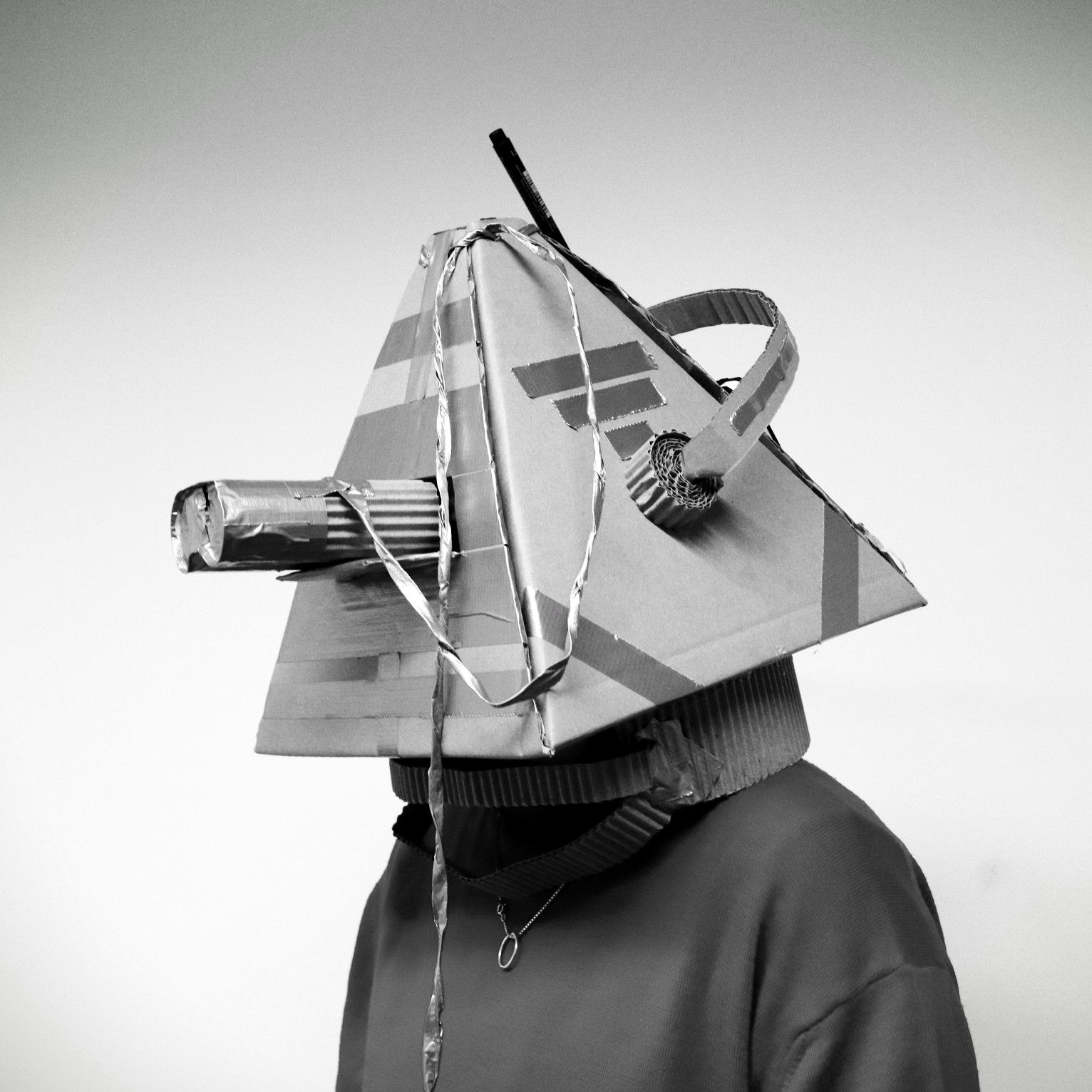
Published IAC paper on a HEAD Geneva workshop where students prototyped and filmed alternative outer space scenarios, questioning inherited narratives of progress, frontierism, and technological inevitability. The paper describes how rapid prototyping, character development, set building, and science-fiction filmmaking can open outer space to more situated cultural imaginaries. It documents a pedagogical process where design becomes a method for contesting who space futures are for and what values they reproduce.

Very Very Far Away (VVFA): From Dissemination to Anticipation

Published IAC paper on VVFA as a public-facing platform for collective world creation, using workshops, artefacts, and serialised audio to move from disseminating space narratives toward anticipating different cultural possibilities. The paper describes how participants, experts, and fictional formats were brought together to develop shared worlds from multiple perspectives rather than a single authored future. It positions space exploration as a lens for examining present cultural values, public imagination, and the politics of anticipation.